

oval mirror led
Understanding Bore Gauge Working Mechanism A bore gauge is a precision instrument widely used for measuring the internal diameter of cylindrical objects, such as holes and bores in machining and manufacturing components. This tool is essential in ensuring that parts are manufactured within specific tolerances, which can significantly affect performance, safety, and functionality in various applications. Understanding how a bore gauge works can help users utilize it effectively for accurate and reliable measurements. Components of a Bore Gauge The bore gauge consists of several key components a body, measuring heads, and a measuring mechanism, often employing a dial or digital display for readings. The body is typically designed for ease of handling and durability, made from materials that withstand wear and tear in industrial environments. The measuring heads, which come in various sizes and types, are responsible for contacting the bore surface to take measurements. Depending on the design, the gauge may have interchangeable heads to accommodate different bore sizes. Measurement Process To use a bore gauge, the user inserts the measuring head into the bore that needs to be measured. The gauge is adjusted so that the measuring ends make contact with the interior wall of the bore. As the gauge is adjusted, it is crucial to ensure proper calibration to guarantee accurate readings. Users must also pay attention to the positioning and alignment of the gauge to avoid errors caused by tilting or misalignment. Once the gauge touches the bore wall, the measuring mechanism is activated. For analog bore gauges, the movement of the measuring head results in the dial needle indicating the diameter on the scale. For digital bore gauges, the measurement is displayed in numerical form, providing a straightforward reading. Types of Bore Gauges bore gauge working There are several types of bore gauges, each suited for different applications. The two most common types are the dial bore gauge and the digital bore gauge. 1. Dial Bore Gauge This traditional style uses mechanical parts to indicate measurements. It consists of a dial, which translates the movement of the measuring head into a readable format. The simplicity of construction makes dial gauges more rugged, but they may require more manual interpretation. 2. Digital Bore Gauge This modern type uses electronic sensors to provide a digital readout. Digital gauges are often more precise and easier to read, offering the advantage of reduced human error in reading measurements. Additionally, some digital models can store measurements for further analysis. Importance of Calibration and Maintenance Regular calibration and maintenance of bore gauges are essential for ensuring measurement accuracy. Calibration involves checking the gauge against a standard and adjusting it to correct any discrepancies. Maintenance may include cleaning the gauge to remove debris, lubricating moving parts, and inspecting the measuring heads for wear. Conclusion Bore gauges play a crucial role in quality control across various industries, including automotive, aerospace, and manufacturing. Their ability to measure internal diameters with high precision helps ensure that components meet design specifications and function as intended. Understanding the working mechanism of bore gauges empowers users to make the most out of this essential measuring tool, ultimately leading to improved product quality and reliability. Whether using a dial or digital bore gauge, knowledge of proper usage and maintenance is key to achieving accurate and consistent results.
about
oval mirror led
An inspection surface plate is a precision tool used in various industries for accurate measurements and inspections of mechanical components. It is typically made of granite or steel and has a flat surface with a high degree of flatness and parallelism. The surface plate is an essential tool in quality control processes, ensuring that parts are manufactured to the desired specifications. The primary purpose of an inspection surface plate is to provide a reference surface for measurements and inspections. The flatness and parallelism of the surface plate allow for precise measurements to be taken, ensuring that parts are within the specified tolerances. This is crucial for ensuring the quality and functionality of the final product. In addition to providing a reference surface for measurements, the inspection surface plate also serves as a stable and sturdy platform for conducting inspections. It is often used in conjunction with precision measuring instruments such as height gauges, dial indicators, and micrometers to ensure the accuracy of the measurements taken. The surface plate provides a reliable and repeatable surface for performing these measurements, ensuring consistent results. There are several factors to consider when choosing an inspection surface plate, including the material, size, and accuracy requirements. Granite surface plates are preferred for their stability, durability, and resistance to wear and tear. Steel surface plates are another option, known for their high precision and smooth surface finish Steel surface plates are another option, known for their high precision and smooth surface finish Steel surface plates are another option, known for their high precision and smooth surface finish Steel surface plates are another option, known for their high precision and smooth surface finish inspection surface plate . The size of the surface plate should be chosen based on the size of the parts being inspected and the space available in the inspection area. Accuracy requirements will vary depending on the specific measurements being taken, with higher precision plates required for more critical measurements. Proper care and maintenance of an inspection surface plate are essential to ensure its accuracy and longevity. The surface plate should be kept clean and free of any debris that could affect the measurements. Regular calibration and verification checks should be performed to ensure the accuracy of the surface plate. Additionally, the surface plate should be stored in a stable and temperature-controlled environment to prevent warping or distortion. In conclusion, an inspection surface plate is a vital tool in the quality control process for ensuring the accuracy and precision of mechanical components. It provides a stable and reliable reference surface for measurements and inspections, helping to maintain the quality and functionality of the final product. By choosing the right surface plate and properly maintaining it, companies can ensure the accuracy and reliability of their measurements, ultimately leading to improved product quality and customer satisfaction.
-

High quality industrial productsagement

High quality industrial products
View Details -

Meet the diverse needs of customers

Meet the diverse needs of customers
View Details -

Strict quality control

Strict quality control
View Details -

Top raw materials

Top raw materials
View Details -

Trusted supplier

Trusted supplier
View Details
Our application


news and information
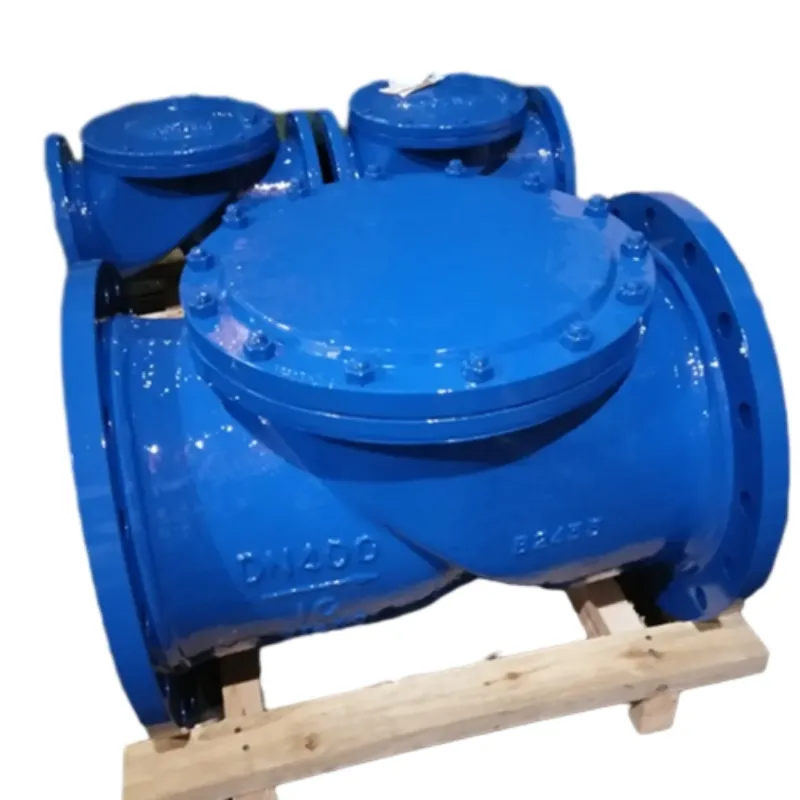
water valve repair
Water Valve Repair A Comprehensive Guide Water valves play a crucial role in the plumbing systems of
y strainer steam trap
Understanding Y-Strainer and Steam Traps Essential Components in Fluid Management In industrial syst

Versatile Metal Ruler for Precise Right Angle Measurements in DIY Projects
The Right Angle Metal Ruler A Crucial Tool for Precision and Accuracy In the realm of measurement an
 English